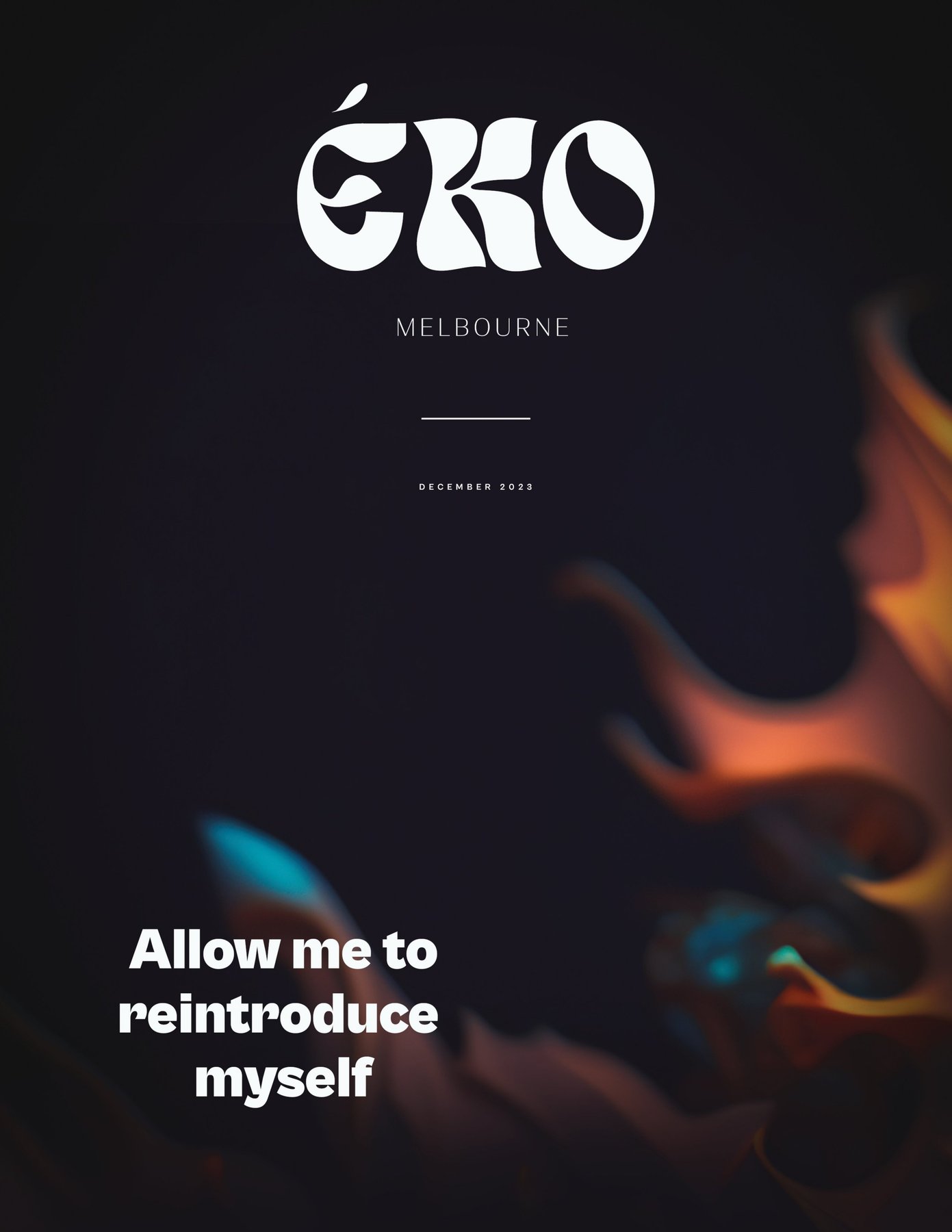
An experiential retail brand bringing contemporary African design and culture to Naarm / Melbourne. Launched with editorial, identity, an investor deck and a launch campaign.
ÉKO Melbourne was being built as an experiential retail brand: a curated bricks-and-mortar studio designed to bring contemporary African design, production and culture to audiences outside the continent. The name is a homage to Lagos (Èkó in Yoruba), a city of fifteen million and emblematic of urban African culture. The first season would open in Naarm / Melbourne in December 2023, across two locations in South Yarra and Fitzroy.
The founding team wanted a brand that read as confident and editorial first, not folkloric. An African point of view that's cosmopolitan, urban, and global. I was brought in as a design consultant, a sparring partner across identity, editorial design, an investor conversation and the launch campaign. The brief was to build a system that could carry a magazine, a retail space, an investor deck and a launch shoot without diluting itself in any of them.
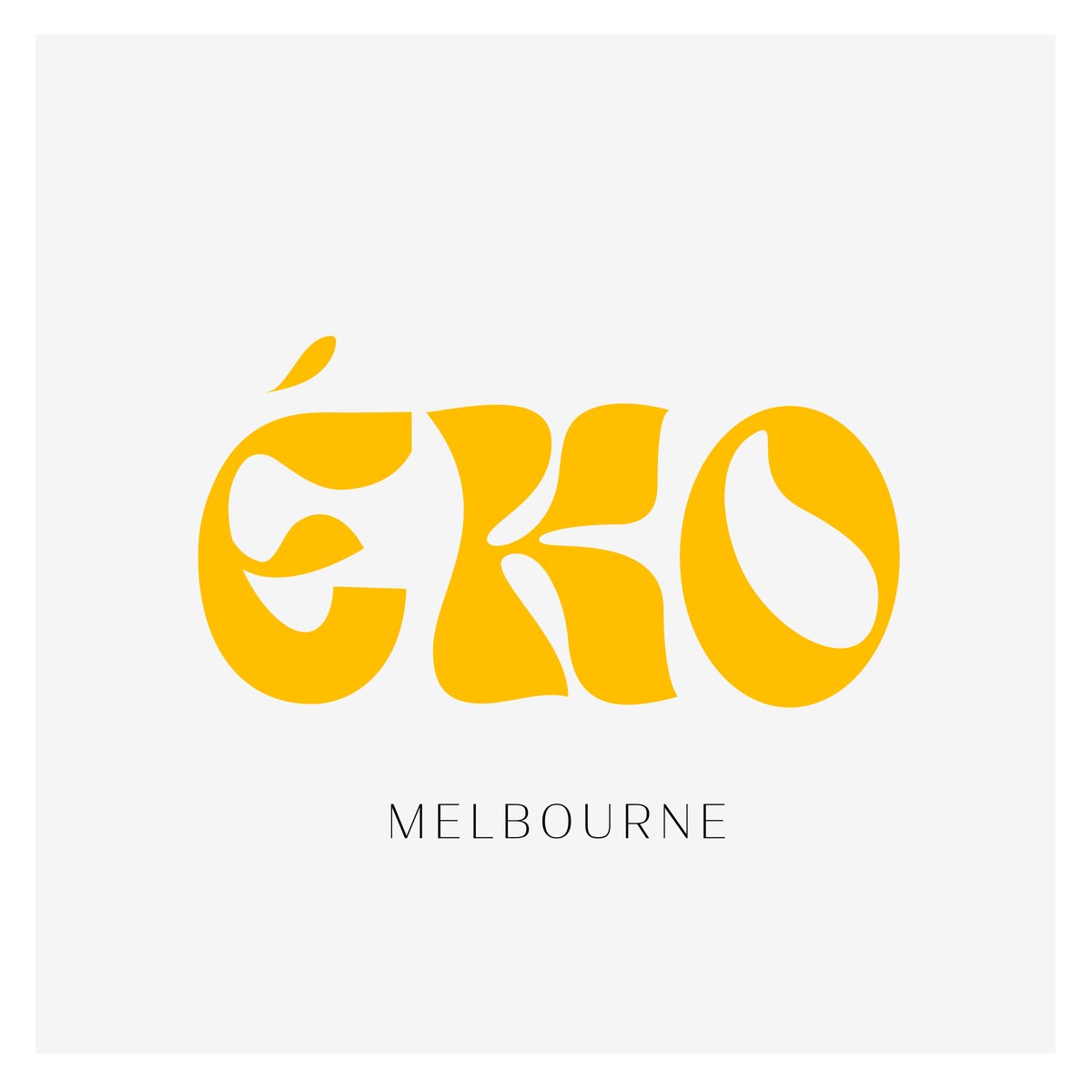
The system was designed around two ideas: announcement and archive. ÉKO needed to feel like a destination arriving with intent. Confident enough to host a retail experience, considered enough to sit alongside a printed magazine. We anchored the identity in a serif wordmark, proud, slightly curved, distinctively Lagos in its name, paired with a quiet sans-serif ‘Melbourne' to ground the place.
Around that, a small kit of materials: a magazine, an investor deck, a launch shoot and an event flyer. Each one built from the same restricted palette so any single piece could stand alone and still read as ÉKO. Less ornament, more conviction.
Èkó is the Yoruba name for Lagos. The wordmark carries that history without performing it: a custom serif with a single deliberate accent on the É, paired with a quiet uppercase ‘Melbourne' set far below. The lockup is built to scale, from a magazine cover thirty centimetres tall to a deck slide on a small screen, with the letterforms holding together without losing their character.
The system was designed to work in five contexts: deep forest green on cream, cream on green, yellow on charcoal, charcoal on off-white, and yellow lockup on green. Any surface across the brand could be palette-led without specifying a single rule about which version goes where.
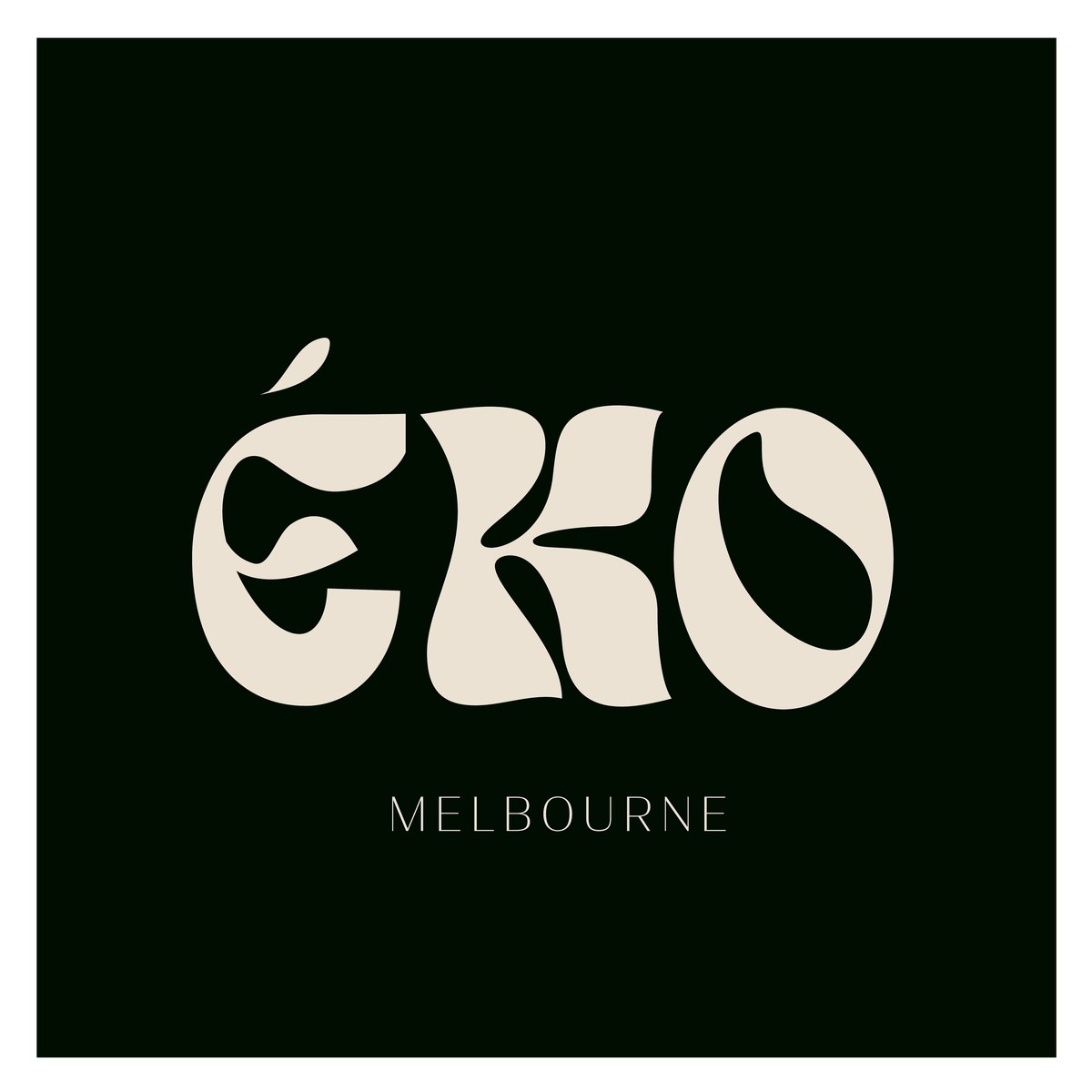
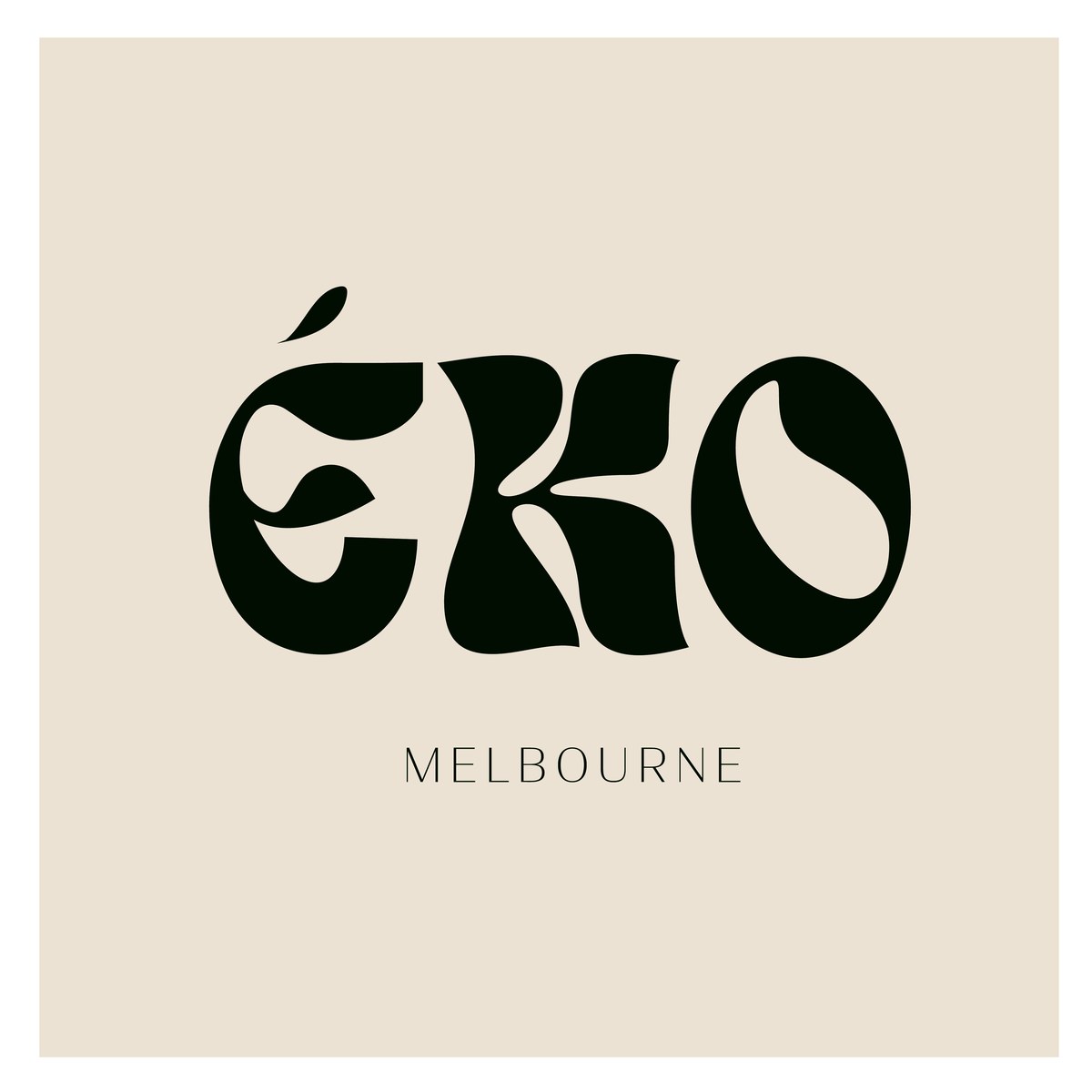
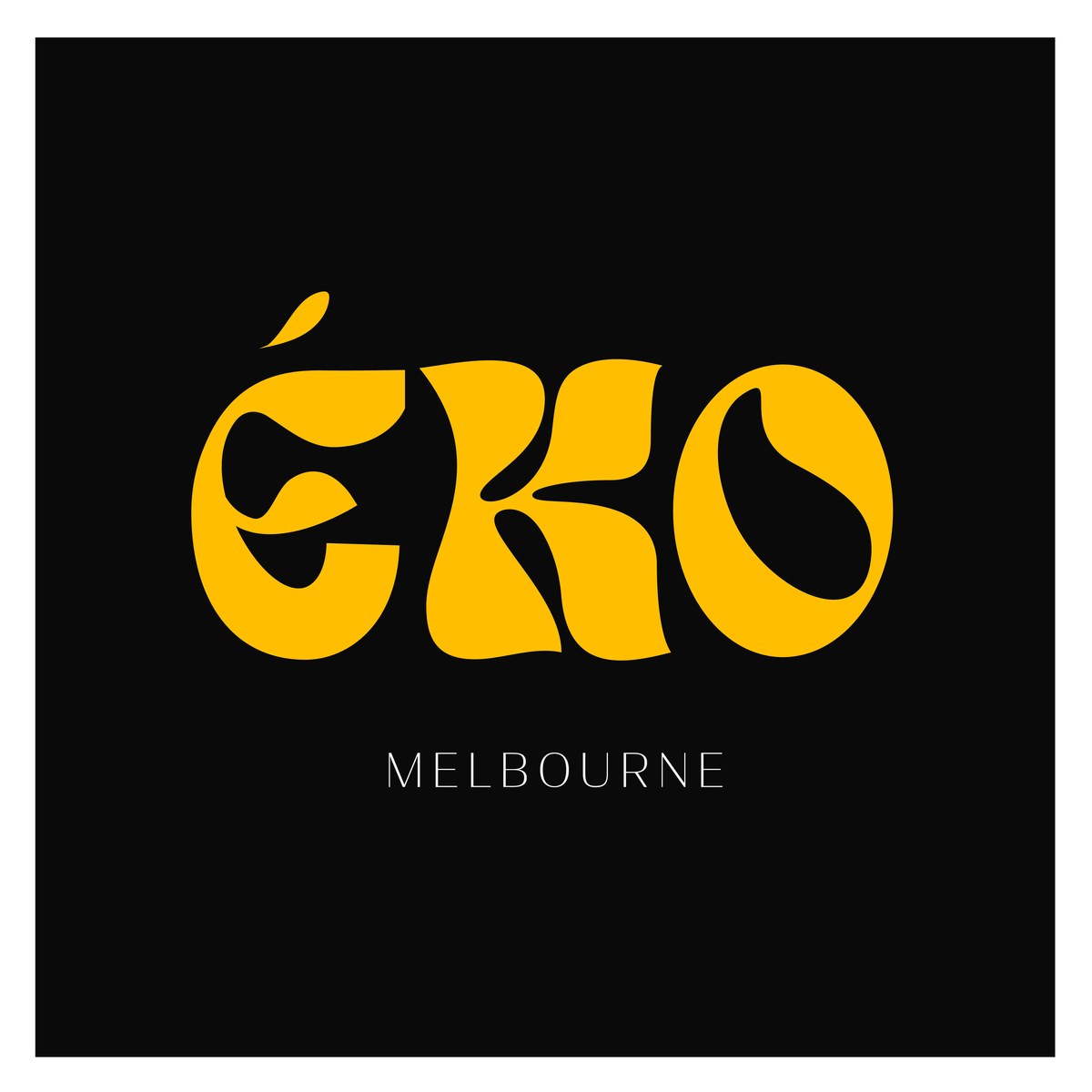
A deep forest green carries the identity at full presence. Charcoal grounds editorial body work. Cream gives the system its breathing room. Saturated yellow is the brand's one allowance for noise, used for highlights, callouts and the inside lining of moments that want to feel like an arrival. Off-white sits underneath everything as the calm, default surface of the magazine pages.
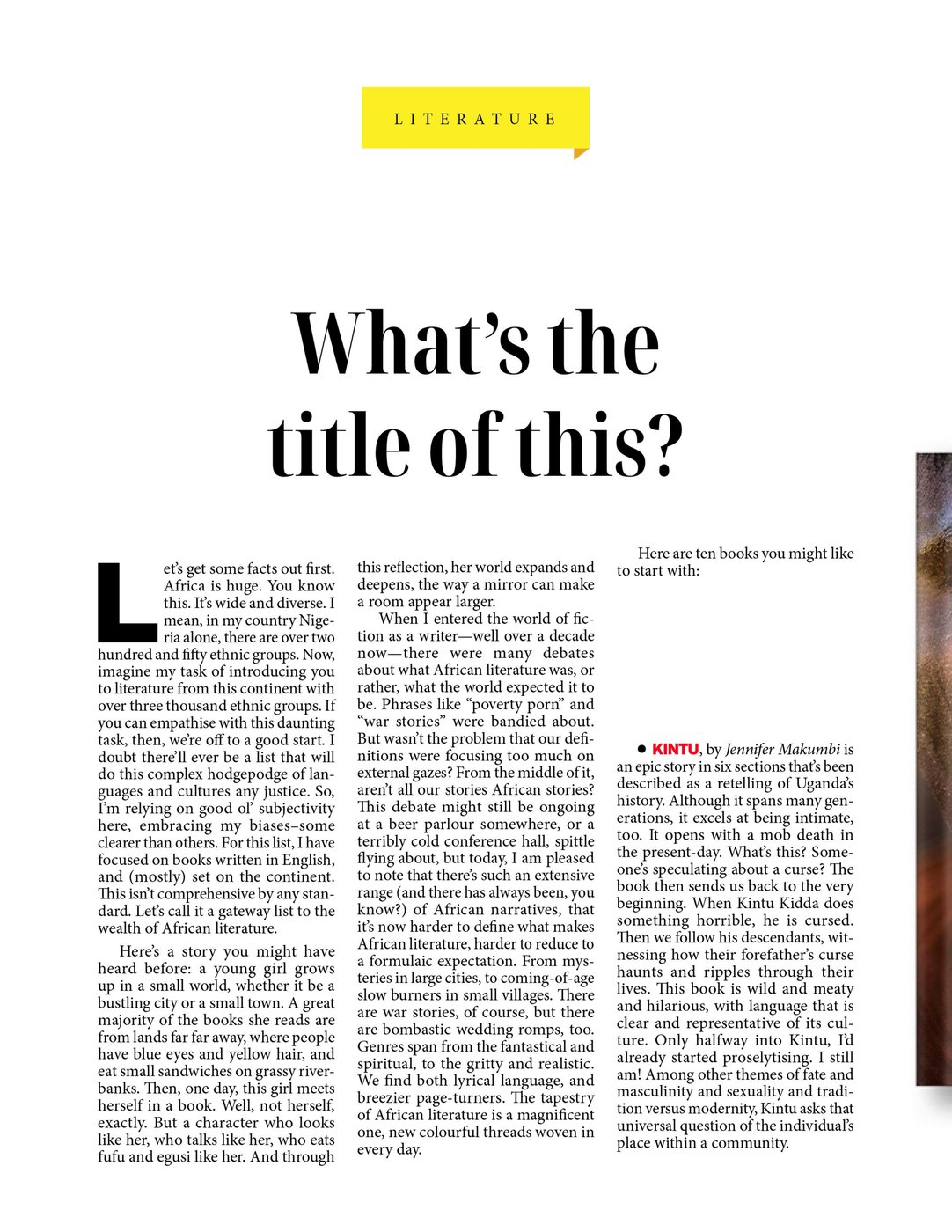
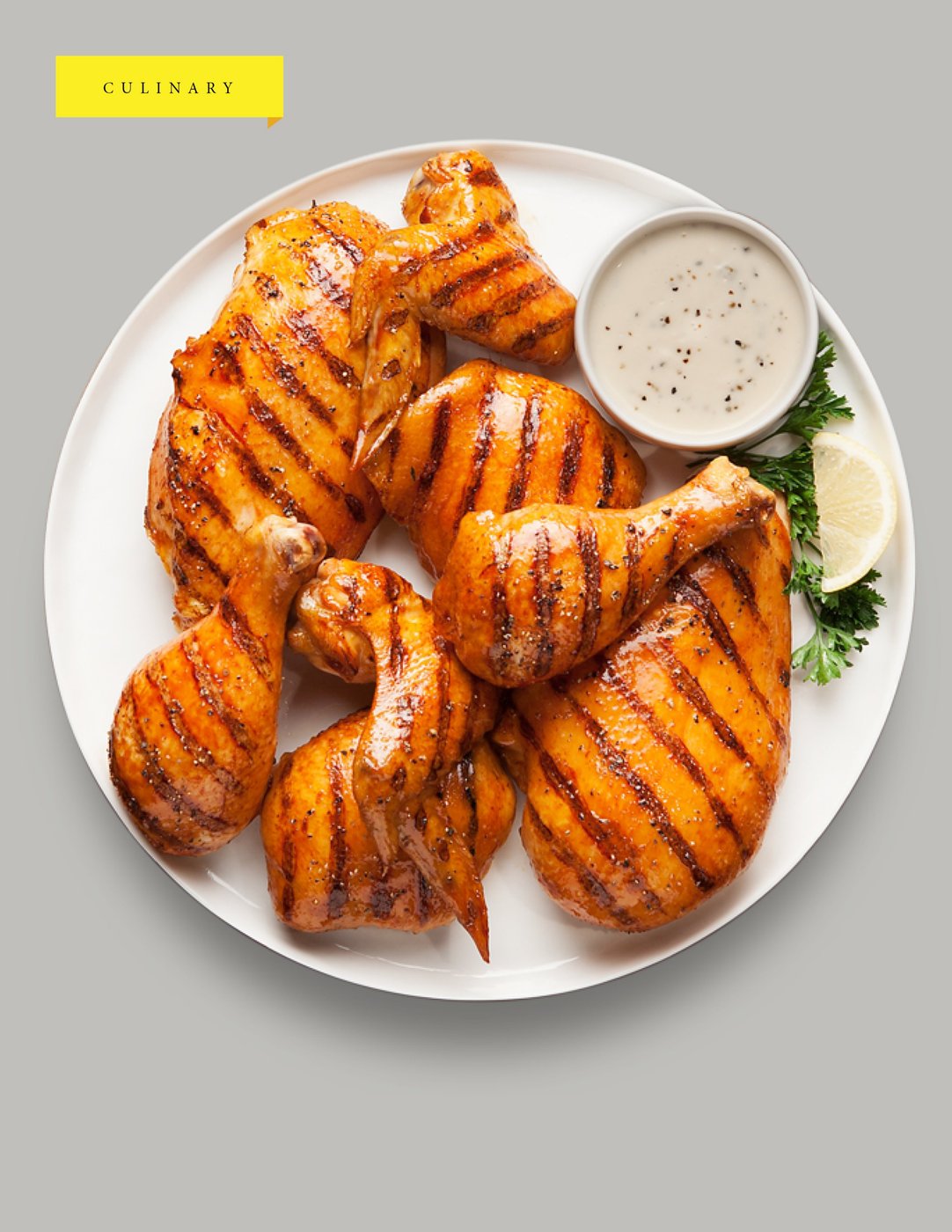
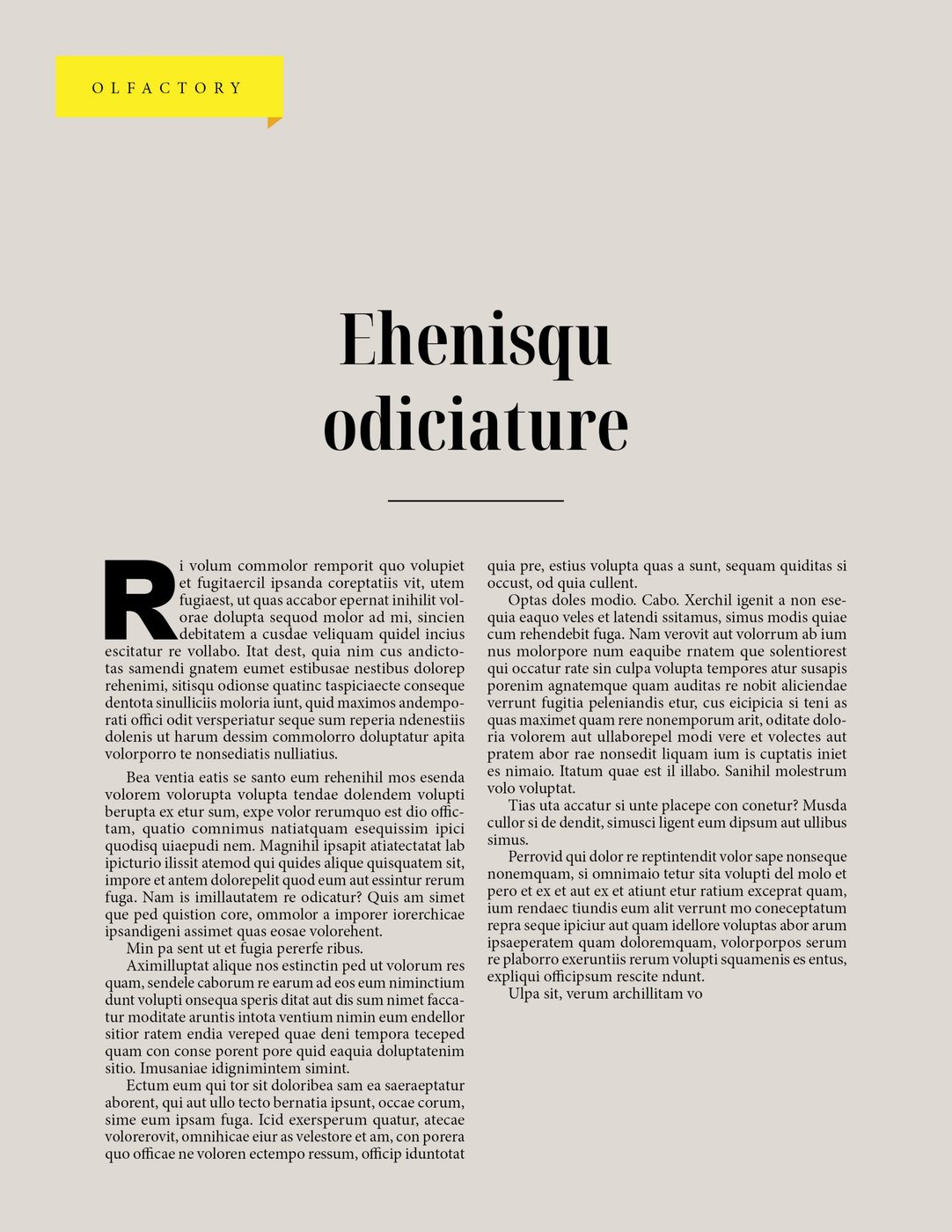
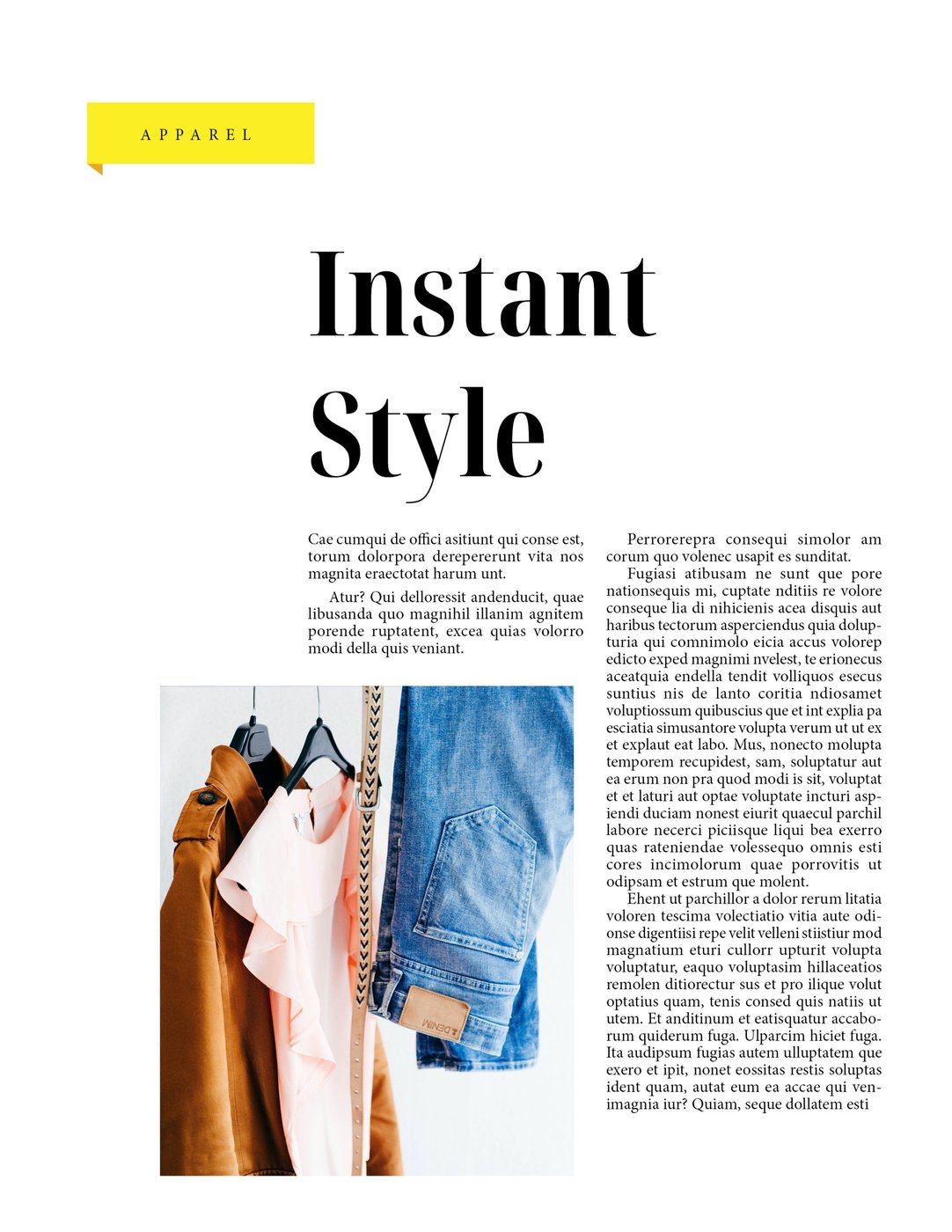
The magazine was the centre of gravity, the artefact everything else orbited. I consulted on the editorial design across the launch issue, working with the team on the cover treatment, masthead system, section tags (Literature, Culinary, Lifestyle, Olfactory, Art, Apparel), drop caps, body grid and pull-quote system. The cover line for issue one, Allow me to reintroduce myself, set the tone for what the publication was doing in the room.
The page system uses a heavy black masthead bar, yellow section pills, a serif headline voice (italic for literature, bold for culinary) and a sans body that reads at the long-form length the magazine wanted to commit to. Photography sits inside its own breathing room rather than fighting the type.
Alongside the editorial work, I consulted on and designed the investor pitch deck the team used to raise. The brief here was different. The deck needed to translate the cultural confidence of the magazine into something a finance audience could move through quickly. We carried the palette and serif voice straight in, used the yellow sparingly for emphasis, and gave numbers their own treatment so the commercial story stayed legible.
The deck moved through the cover, vision, market opportunity, product, traction and the ask. Each slide was built on the same grid so the document felt like one continuous read rather than fifteen unrelated frames.
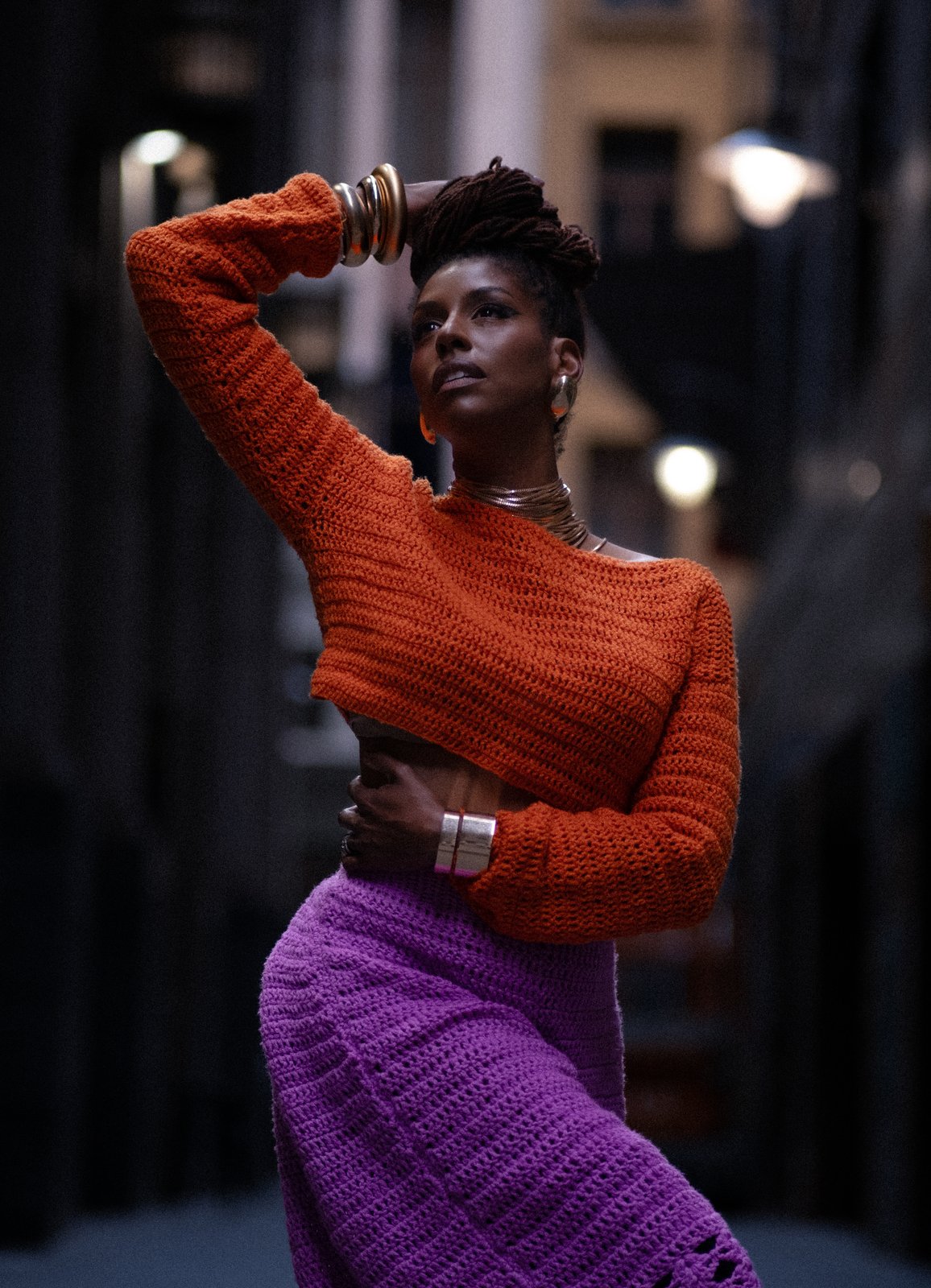
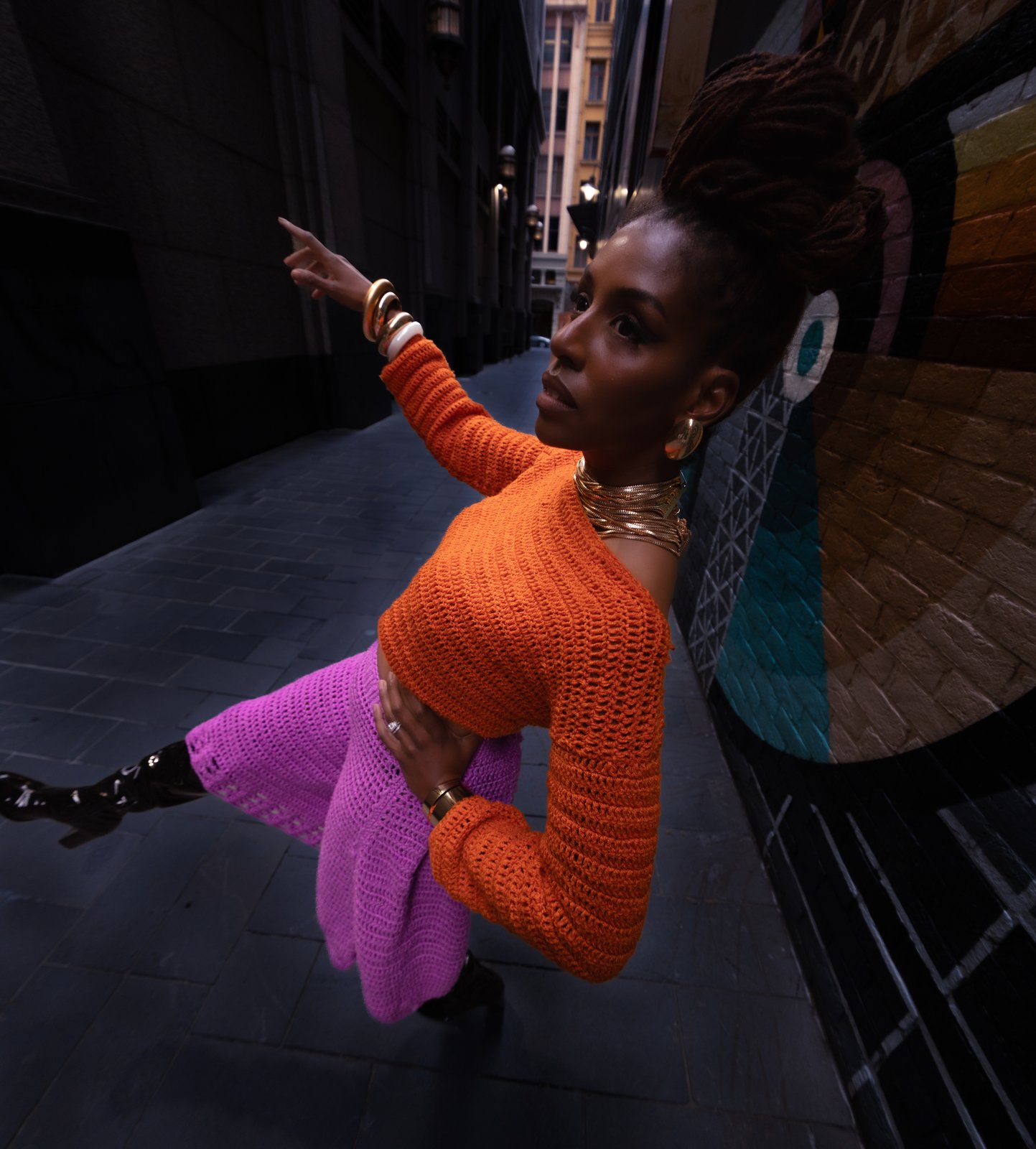
I creative-directed the launch campaign photoshoot, building the shoot list, casting brief, styling references and the colour direction. Where the brand palette is restrained (forest green, cream, charcoal), the campaign was the opposite by design. Saturated orange knit against electric purple, gold against skin, all of it set down a Naarm / Melbourne laneway. The contrast was the point. ÉKO is the quiet brand identity; the campaign is the brand walking into the room.
The direction was specific: bold first, considered second. Casting that carried presence without needing the camera to flatter it. Styling that read as personal style, not costume. A laneway location that placed the brand inside the city it was joining, not on a clean studio backdrop. Every frame had to work as an invitation. Not see this when you have time, but you're not going to miss this.
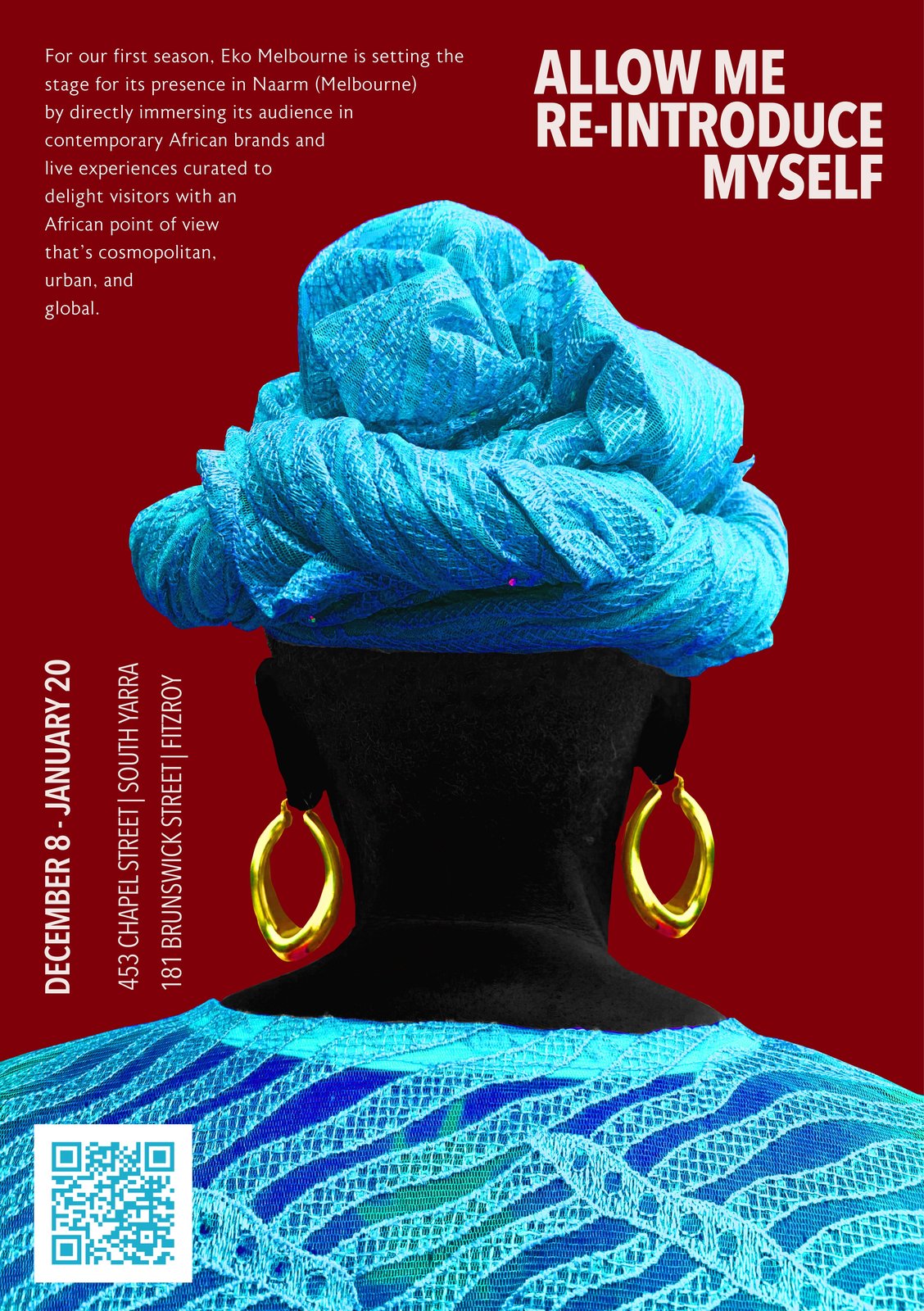
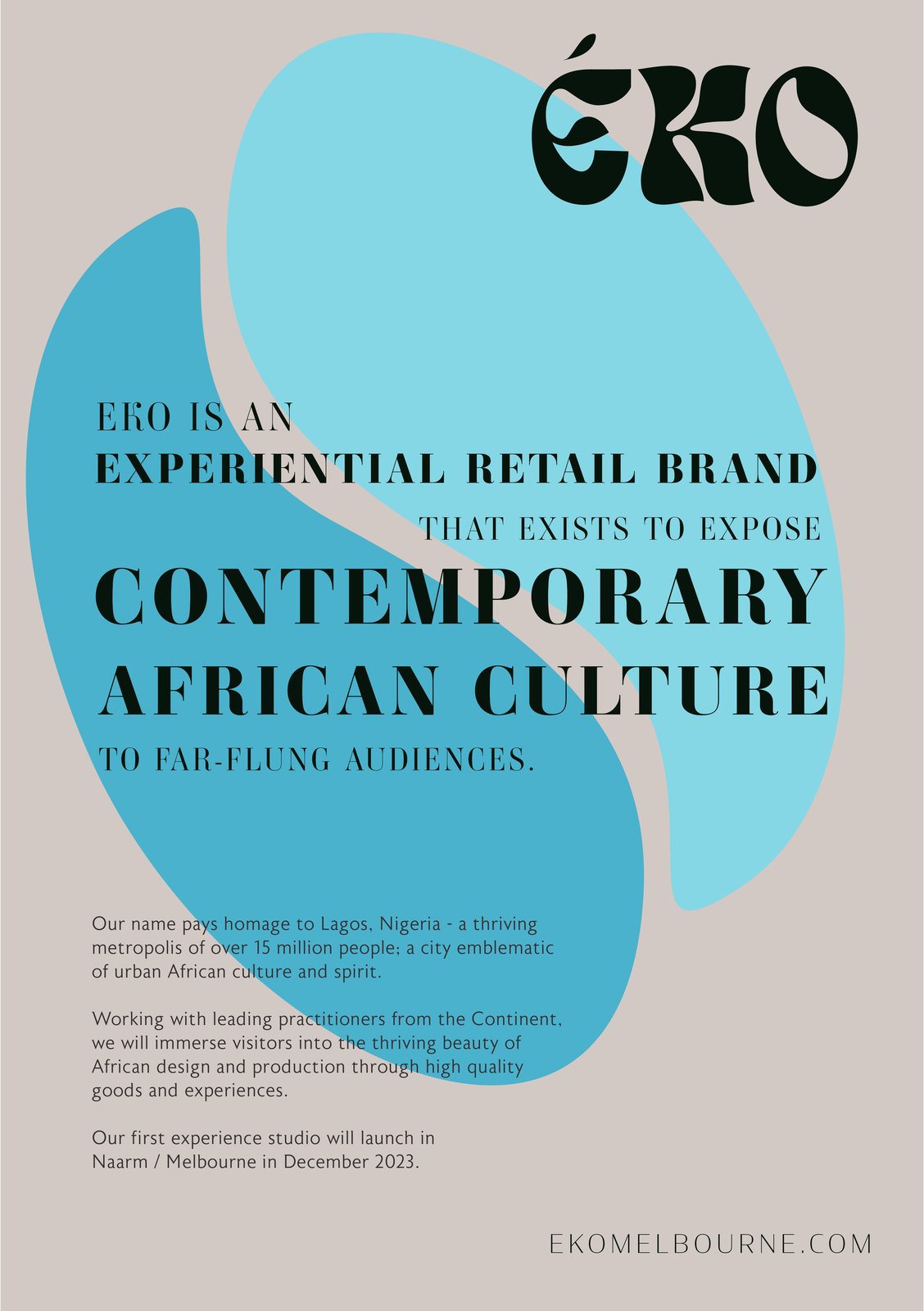
The launch was promoted through a two-sided flyer carrying the same cover line, Allow me to reintroduce myself, into the city. The front led with portraiture and the event dates; the back set out the brand positioning in its own voice. Distributed across South Yarra and Fitzroy, the flyer was the brand's first invitation into the public.
ÉKO Melbourne launched its first season in December 2023, with the experience studio open across South Yarra and Fitzroy, Issue 01 of the magazine in print, an event flyer in distribution, and an investor pitch deck the team carried into early conversations. The work touched every surface that mattered for the launch, and it did so without the system ever feeling stretched.
As a consultancy engagement, the brief was always to set a direction the in-house team could carry forward. The palette, wordmark and editorial grid built here are still the bones the brand operates from.